Yummyseconds.com — Encyclopedia of useful and harmful properties of food
Scientific facts about the effects of food on the body in an accessible language
  • Main
  • Food products
  • Nutrients
  • Diets
  • Body organs
    • Heart
    • Vessels
    • Blood
    • Lymph
    • Brain
    • Liver
    • Gastrointestinal organs
    • Urinary system
    • Endocrine system
    • Immune system
    • Bones, joints, and muscles
  • Weight loss
  • Effects on the body
    • Vasodilation / narrowing
    • For memory, energy, attention
    • For mood, depression and stress
  • Feedback
Popular publications
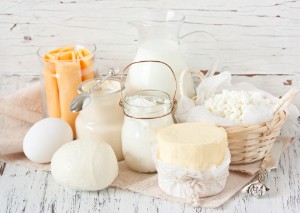
The benefits and harms of fermented dairy products – 8 facts about their effect on the health of the adult body
Food products
The benefits and harms of fermented dairy products – 8 facts about their effect on the health of the adult body
In the article we will talk about the benefits and harms of using fermented dairy products for the human body. We will discuss why they are good for the health of children, adults and the elderly. Also you
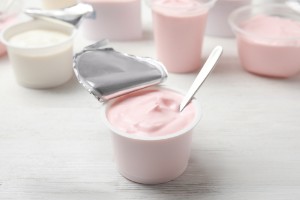
Which yogurt is the most useful – 7 rules on how to choose a natural product in the store without additives and sugar, as well as what options there are
Food products
Which yogurt is the most useful – 7 rules on how to choose a natural product in the store without additives and sugar, as well as what options there are
You will learn which yogurt is the most useful and how to choose the right natural and delicious product in the store. Let's tell you which kind is better to buy: low-fat or full-fat, with or without sugar.
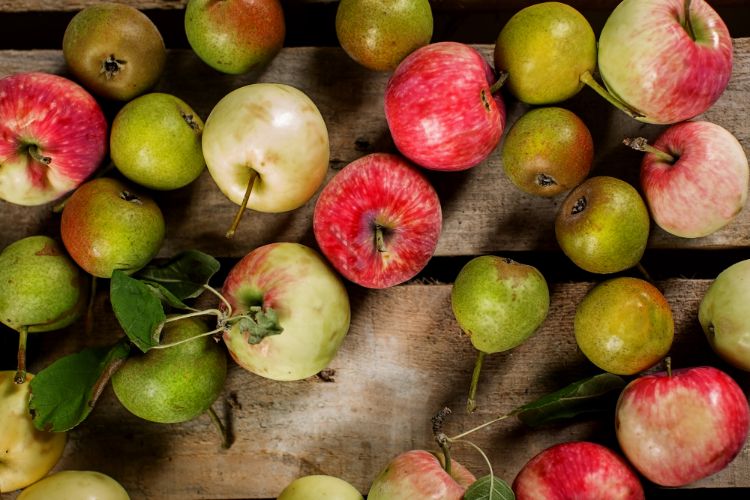
Where pectin is contained – Table of availability in berries, fruits and other food products
Nutrients
Where pectin is contained – Table of availability in berries, fruits and other food products
We will provide a detailed table of the pectin content in berries, vegetables, fruits and other food products. Let's tell you which store sweets contain the most of this substance and how much should be
Benefits and harms of inulin — 8 medicinal properties of the substance for the human body and contraindications
Nutrients
Benefits and harms of inulin — 8 medicinal properties of the substance for the human body and contraindications
In the article we will discuss the benefits and harms of inulin, as well as why the human body needs it. Let's tell you what kind of substance it is, whether it helps with constipation and dysbiosis, as well as what it has
Select a product
  • Vegetables
  • Fruit
  • Berries
  • Greens
  • Legumes
  • Meat
  • Bird
  • Fish
  • Seafood
  • Dairy products
  • Mushrooms
  • Nuts
  • Dried fruits
  • Honey
  • Cereals
  • Spices and condiments
  • Herbs
  • Drinks
  • Sweets
  • Butter
  • Eggs
  • Flour and flour products
  • Other

Knowledge base

  • Immunity
    • 10 ways to increase the immunity of an adult at home, as well as to support and strengthen the health of the body
    • 9 products that enhance immunity in adult women and men: what a person needs to eat to get sick less often
    • 10 the rules of the diet to increase the immunity of an adult, as well as the menu for the week
  • Bones, joints
    • How to strengthen bones and joints – 15 tips for an elderly person after the age of 50, using vitamins, diet and lifestyle changes
    • 7 products for strengthening ligaments and tendons: rules of healthy nutrition for their restoration and improvement of elasticity
    • 7 products for strengthening human bones: what is useful to drink and eat to restore bone and cartilage tissue
    • 7 foods useful for the spine: what you need to eat to strengthen and restore cartilage tissue
  • Digestion, gastrointestinal tract
    • A diet for cleansing the intestines – 7 nutrition rules for normalizing the work and restoring the microflora of the organ, a menu for 10 days
    • 8 products useful for the intestine, restoring its microflora and improving peristalsis, as well as cleansing from harmful substances
    • 7 foods useful for the human pancreas: what does this organ like from food, and what is harmful to it
    • 7 products useful for the gallbladder: what does this organ like from food, and what kind of food harms it
  • Brain
    • 7 brain-damaging foods
    • 8 products for mental activity
    • 10 foods to improve blood circulation in the brain
    • Effects of alcohol on the brain
  • Memory, energy, attention
    • 5 foods for attention and brain function
  • Mood, depression, stress
  • Heart
    • 8 heart-healthy foods
    • 7 nutrition rules for heart health
  • Vessels
    • 7 products harmful to blood vessels
    • 6 nutrition rules for healthy blood vessels
  • Blood
    • 20 products for hemoglobin
    • 10 foods to boost white blood cells
    • 15 foods that are good for the blood
  • Lymph
    • 10 ways to cleanse your lymph
    • 7 products for cleansing lymph
    • 7 ways to improve lymph outflow
  • Liver
    • 27 foods useful for the human liver: what kind of food does this organ like the most
    • 15 products that cleanse the human liver: diet and menu for the week
    • 7 foods harmful to the human liver: a list of the heaviest and most dangerous foods
    • Diet for the liver – a table of what can and cannot be consumed, a healthy food menu for every day and recipes
  • Kidneys, bladder
    • 10 products harmful to the kidneys: what can not be eaten in case of organ disease, as well as what kind of food contributes to the formation of stones
    • 9 foods useful for human kidneys: what kind of food "love" these organs, and what is harmful to eat and drink for their health
    • 8 foods that are good for the bladder, as well as what kind of food irritates it
    • 9 diuretic products and drinks for edema: a list of natural diuretics with proven effect
  • Endocrine system
    • 9 foods useful for the adrenal glands and nutrition for recovery from fatigue
    • 7 foods useful for the thyroid gland, containing iodine, as well as nutrition rules for hypothyroidism
© 2024 Yummyseconds
The use of Yummyseconds materials is allowed with an active hyperlink to the information source.
  • Feedback

All materials on the site are for informational purposes only. Self-medication can be harmful to your health. be sure to consult your doctor. The site administration, authors of articles and experts are not responsible for any consequences that may arise when using the site materials.

  • Twitter